Birdcage with Butterflies Embroidery Review
As I prepare my booth inventory for the upcoming weekend craft fair, I am constantly evaluating which digital assets will translate best into physical sales. This season, I am testing the Birdcage with Butterflies Embroidery design to see if it earns a prime spot on my display table. When reviewing a new machine embroidery design for commercial production, I look beyond the screen preview. I need to know if the stitch density is manageable, if the aesthetic matches current buyer trends, and if it can be produced efficiently across multiple product types. This review breaks down my real-world assessment of this elegant floral motif for fellow Etsy sellers, boutique makers, and creative entrepreneurs preparing for market season.
First Impressions: Vintage Elegance Meets Market Appeal
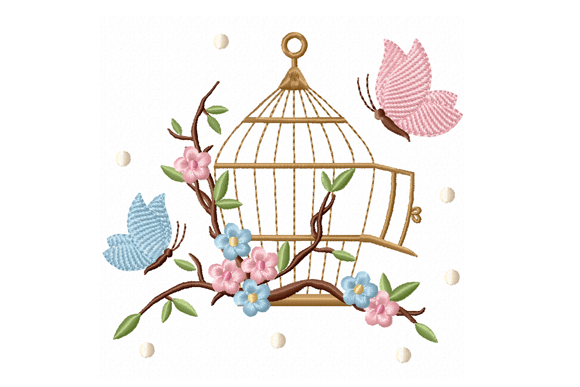
Upon loading the embroidery file into my software, the immediate impression is one of refined nostalgia. The Birdcage with Butterflies Embroidery does not read as cartoonish or overly modern; instead, it possesses a delicate, vintage charm that appeals strongly to the farmhouse and cottagecore demographics currently dominating handmade markets. The composition features a central cage structure softened by organic floral elements and flying butterflies. While categorized under Bugs due to the insect motifs, the overall feel is distinctly botanical and romantic rather than entomological.
For a craft fair product, this visual balance is critical. Shoppers browsing a crowded booth make split-second decisions based on visual clarity. This design succeeds because the negative space within the cage and the flowing lines of the branches prevent the image from looking like a dense, impenetrable block of thread. It feels premium and intentional, suggesting a higher price point for finished goods compared to simpler, generic clip-art styles. For small shop owners, this level of perceived value is essential for maintaining healthy profit margins on handmade products.
Evaluating Product Applications for Craft Fairs
A versatile design must perform well across various blanks. Here is how I rate the Birdcage with Butterflies Embroidery for specific inventory items:
- Tote Bag Design: This is arguably the strongest application. The vertical orientation of a birdcage fits perfectly on standard canvas totes. The intricate details remain visible from a distance when scaled appropriately, making it an excellent "hero" product for the front of a booth table.
- Tea Towel Embroidery: Linen and flour sack towels provide the ideal texture for this vintage aesthetic. However, because tea towels are often viewed up close, the stitch definition must be crisp. The floral surround acts as a beautiful border element here.
- Apron Embroidery: Placing this design on the bib of a linen apron creates a cohesive, heirloom-quality look. It targets the baker and gardener niche effectively, though placement must account for pocket positioning.
- Embroidered Patch: Caution is required here. If the design includes extremely fine lines in the cage bars or butterfly wings, it may not digitize cleanly onto twill patch material without modification. Test stitching is mandatory before committing to bulk patch production.
- Pillow Covers: As a focal point on neutral linen shams, this design elevates home decor inventory. It photographs exceptionally well for online listings, serving as strong lifestyle content even if the physical pillow doesn't sell at the fair.
Production Practicality and Batch Efficiency
For commercial embroidery businesses, time is money. A beautiful design is useless if it causes excessive thread breaks or requires constant supervision. In reviewing the Birdcage with Butterflies Embroidery, I am assessing its repeatability. The inclusion of branches and flowers allows for color grouping efficiency. Ideally, the greenery and florals should share similar thread colors to minimize stops during batch runs on tote bags or aprons.
From a photography standpoint, this design is a winner for Etsy sellers. The combination of metallic or variegated threads in the cage and butterflies catches light beautifully in product photos. When creating printable mockups for digital listings, ensure the texture of the stitches is visible. Flat, vector-like mockups fail to convey the handmade quality that justifies premium pricing. Real stitched samples photographed in natural light will always outperform digital renderings for this specific style of art.
Critical Technical Considerations and Careful Use Notes
While aesthetically pleasing, this design presents specific technical challenges that every professional embroiderer must address before selling finished products:
- Dense Stitch Areas: Vintage cage designs often utilize satin stitches for the bars. If these are too thick, they can cause puckering on lighter fabrics like tea towels. Always verify the stitch density and consider using a lighter weight bobbin thread or adjusting pull compensation.
- Fabric Texture Compatibility: On highly textured terry cloth or waffle weave towels, tiny details in the butterfly wings may get lost. Using a water-soluble topper stabilizer is non-negotiable to keep these fine elements crisp and visible.
- Curved Surfaces: Avoid placing this tall, vertical design on structured caps unless it has been specifically redigitized for curved surfaces. Distortion on the vertical axis of the cage will ruin the vintage elegance instantly.
- Small Lettering Risks: If you plan to add custom names or dates below the cage, ensure the font size remains legible. Tiny text combined with complex artwork increases production risk and reduces clarity at smaller hoop sizes.
- Dark Fabric Contrast: This design likely relies on pastel or muted tones for the vintage effect. On dark navy or black fabric, the cage bars may disappear. Always test contrast; you may need to add a white underlay or outline stitch to define the shape against dark backgrounds.
Designer Checklist for Commercial Success
Before listing any item featuring the Birdcage with Butterflies Embroidery for sale, run through this professional verification process. Skipping these steps is the difference between a hobbyist and a sustainable business.
- Test on Scrap Fabric: Never run a production piece first. Hoop the exact fabric and stabilizer combination you intend to sell. Inspect registration, tension, and backing tear-away ease.
- Confirm Hoop Size: Ensure your chosen blank accommodates the full design without crowding the edges. Margins matter for perceived quality.
- Review Thread Colors: Compare your physical thread chart against the digital file. Screen colors are deceptive. Select threads that complement, rather than match exactly, to add depth.
- Check Licensing: Verify that your purchase of the digital embroidery file includes commercial rights for finished products. Some designers restrict usage to personal projects only.
- Create Physical Mockups: Photograph at least one real sample. Assess how the design looks from three feet away (booth viewing distance) and six inches away (online detail view).
Final Verdict for Handmade Sellers
The Birdcage with Butterflies Embroidery represents a high-potential asset for craft fair vendors and online shops alike. Its strength lies in its ability to bridge the gap between decorative art and functional merchandise. It transforms a plain tote bag or apron into a giftable, story-driven item that resonates with buyers seeking sentimental value. By respecting the technical requirements of stitch density and fabric choice, and by leveraging its photogenic qualities for marketing, this design can become a staple in your commercial embroidery lineup. Just remember: in our industry, the most beautiful design is the one that stitches out flawlessly, sells consistently, and keeps customers returning to your booth season after season.