Minimalist Infinity Loop: Craft Fair Review
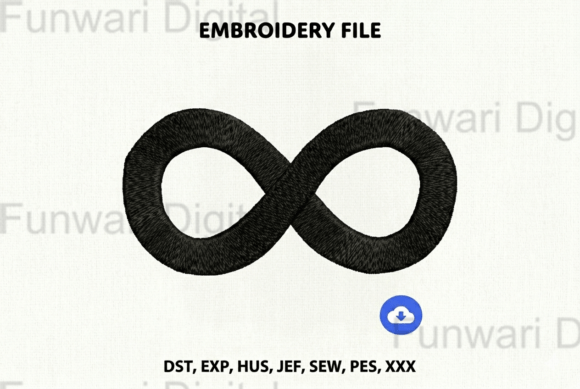
As I prepare my booth inventory for the upcoming weekend market, my primary focus is always on designs that balance aesthetic appeal with production efficiency. When evaluating the Minimalist Infinity Loop Embroidery design, I am looking at more than just a digital file; I am assessing a potential best-seller for my handmade product line. This versatile, heavy-fill design features thick, clean satin stitches digitized with precise stitch direction to catch light beautifully. For any Etsy seller or boutique maker, this specific combination of technical precision and visual simplicity is exactly what translates to sales in a crowded craft fair environment.
First Impressions: Modern Elegance Meets Production Speed
The immediate impression of this machine embroidery design is one of premium minimalism. In the Shapes category, it is easy for designs to feel generic or overly utilitarian, but this infinity loop carries an elegant, modern weight. It does not read as clip-art; it reads as intentional decor. The description notes that it runs flawlessly with minimal jump stitches, which is music to the ears of any commercial embroidery business owner. At a craft fair, customers are drawn to items that look expensive and well-made. The heavy-fill nature of this design creates a tactile, raised texture that invites touch, while the clean satin edges ensure it looks crisp from a distance.
For creative entrepreneurs, this design strikes a difficult balance: it is bold enough to be noticed across a booth table, yet simple enough to fit various aesthetics. It feels soft and contemporary rather than rustic or festive, making it a year-round staple rather than a seasonal novelty. This versatility is crucial for maintaining cash flow between holiday markets.
Best Applications for Market Inventory
When planning my table display, I have to decide where this embroidery file will generate the highest return on investment. Based on the heavy-fill construction and light-catching properties, here is how I evaluate its performance across different products:
- Tote Bag Design: This is arguably the strongest application. Canvas tote bags provide a stable base for dense stitching. The infinity loop serves as a sophisticated focal point that appeals to shoppers looking for reusable, stylish market bags. The sheen of the satin stitch against matte canvas creates necessary contrast.
- Tea Towel Embroidery: Kitchen textiles are high-volume sellers. However, because this is a heavy-fill design, I would reserve it for higher-end linen or flour sack towels rather than cheap terry cloth. The design elevates a basic utility item into a giftable handmade product.
- Apron Embroidery: For boutique makers targeting chefs or home cooks, this loop works beautifully as a chest logo or lower hem accent. Its gender-neutral, abstract shape makes it safe for broad retail appeal.
- Embroidered Patches: Given the precise stitch direction mentioned in the product details, this design is ideal for patch making. The clean edges mean less finishing work after cutting, streamlining batch production for small shop products.
- Pillow Covers and Fabric Pouches: These items allow the design to shine in home decor setups. The light-catching quality adds depth to solid-colored linens, making them photograph exceptionally well for online listings.
Selling Points: Visual Clarity and Batch Efficiency
From a business perspective, the Minimalist Infinity Loop Embroidery excels because it is instantly understandable. At a glance, a customer recognizes the symbol without needing explanation. This cognitive ease is vital when you have seconds to capture attention. Furthermore, the promise of minimal jump stitches directly impacts profit margins. Every time my machine stops to trim or I have to manually cut threads, I lose money. A design that runs continuously allows me to hoop multiple items or focus on other booth prep tasks while the machine works.
For digital sellers and those relying on printable mockups, the defined geometry of this shape makes editing previews straightforward. Unlike complex floral arrangements where scaling can distort details, this geometric form maintains its integrity across various sizes, making it easier to create consistent branding assets for social media and Etsy listings.
Critical Use Notes and Technical Considerations
Despite its versatility, professional judgment requires acknowledging limitations. Because this is described as a heavy-fill design with thick satin stitches, fabric texture becomes a major variable. I would advise against using this on highly textured terry towels or uneven knits unless you use significant stabilizer, as the dense stitch density may cause puckering or get lost in the fabric pile.
Additionally, consider the hoop size and scaling. While minimalist shapes often tempt us to shrink them down for tiny accents, thick satin stitches have a minimum width requirement to prevent thread breaks or tunneling. Before committing to a run of small pouches or cap logos, verify the smallest safe size for this specific embroidery file. Caps present another challenge; the curved surface can distort horizontal satin stitches. Always test on a curved foam backing first if applying this to headwear.
Finally, dark fabrics require careful thread color selection. Since the design relies on catching light, using a matte black thread on a black bag will render the design invisible. High-sheen rayon or polyester threads in contrasting or metallic tones are necessary to maximize the visual impact described in the product details.
Designer’s Checklist for Commercial Success
Before listing any finished product derived from this design, I follow a strict validation protocol to ensure brand consistency and quality:
- Stitch Out Verification: Never trust the screen view alone. Run a test sew-out on scrap fabric identical to your final product to inspect stitch density and tension.
- Stabilizer Matching: Confirm that your stabilizer choice supports heavy-fill areas. You may need a cut-away for stretchy fabrics or a tear-away for woven canvas to prevent distortion.
- Thread Contrast Check: Evaluate the design under both natural daylight and artificial booth lighting. Ensure the "light-catching" effect works in your specific selling environment.
- Licensing Confirmation: Review the terms of the digital embroidery file. Confirm whether you have rights for unlimited commercial embroidery of finished products or if there are caps on reproduction.
- Mockup Reality Check: Create at least one real photo mockup alongside digital renders. Customers appreciate seeing the actual texture and scale of the embroidery on the physical item.
Enhancing Booth Display and Buyer Engagement
Ultimately, the Minimalist Infinity Loop Embroidery is a tool for building a cohesive brand identity. Its clean lines allow it to pair seamlessly with other minimalist designs in your collection, creating a curated table display that looks professional rather than cluttered. When customers see consistent quality and style across your tote bags, aprons, and gifts, perceived value increases.
For the handmade shop owner, this design offers a reliable foundation for inventory. It is practical to produce, visually striking in person, and adaptable to multiple price points. By respecting the technical requirements of heavy-fill satin stitches and leveraging the design's modern elegance, you transform a simple shape into a profitable asset for your embroidery business. Whether you are stocking up for a weekend market or refreshing your online store, this design represents the intersection of artistic merit and commercial viability that defines successful craft entrepreneurship.