Patriotic Duck Embroidery Design Review
As a professional embroidery designer who specializes in commercial merchandise and branded assets, I approach every new machine embroidery design with a critical eye toward production viability and brand alignment. When evaluating the Patriotic Duck Embroidery Design for small business use, my primary focus is not just on the aesthetic appeal of this Lady Liberty Duck, but on how it translates from a digital screen to a tangible, sellable product. For shop owners, Etsy sellers, and apparel decorators preparing for Independence Day, this design offers a unique intersection of whimsy and national pride that can elevate small business merch if executed correctly.
First Impressions: Balancing Whimsy with Professionalism
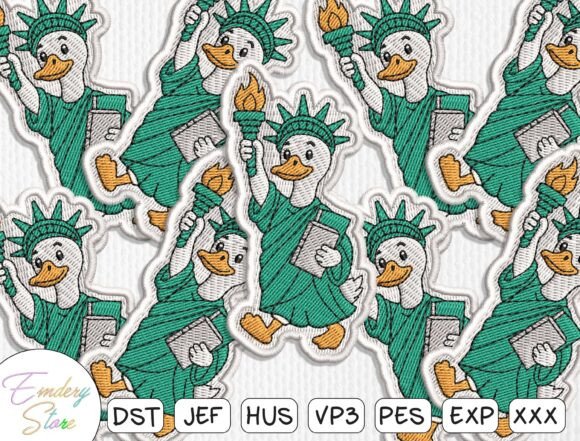
Upon reviewing the concept of the Patriotic Duck Embroidery Design, the immediate impression is one of approachable patriotism. The description highlights a "sweet, cartoon-style duck dressed as the Statue of Liberty," which signals a specific visual personality: friendly, playful, and accessible. For a business context, this is distinct from traditional, rigid patriotic iconography. It suggests a brand identity that values humor, warmth, and community over formality.
From a digitizing perspective, cartoon-style designs typically rely on clean satin stitch outlines and filled areas rather than complex photorealistic shading. This is generally advantageous for commercial embroidery because it reduces stitch count variability and allows for clearer definition at smaller sizes. However, the success of this design depends entirely on the balance between the character's charm and the clarity of the costume details. If the torch or crown elements are too intricate, they risk becoming muddy blobs on fabric. As a reviewer, I look for clear separation between the duck’s feathers and the Liberty costume to ensure the motif reads instantly on a crowded retail rack or a social media feed.
Strategic Applications for Small Business Merchandise
The versatility of the Patriotic Duck Embroidery Design makes it a strong candidate for various business applications beyond standard holiday decor. Here is how I evaluate its performance across different custom apparel and accessory categories:
- Embroidered Patches: This is perhaps the strongest use case. The cartoon style lends itself perfectly to patch creation. Because patches are often viewed up close, the playful nature of the design adds value. Ensure the border is digitized cleanly to prevent fraying during cutting.
- Apron Embroidery: For bakeries, cafes, or pet groomers hosting Fourth of July specials, this design works exceptionally well as a left-chest accent on aprons. It humanizes staff uniforms and serves as an excellent conversation starter with customers.
- Tote Bag Design: Canvas totes provide a stable, flat surface ideal for this type of fill-heavy design. A patriotic duck tote is a high-perceived-value item for farmers' markets or boutique giveaways during summer sales events.
- Cap Embroidery: While viable, caps require caution. The curved surface of a hat front can distort horizontal lines. If using this design for headwear, verify that the digitizer has accounted for cap-specific compensation to keep the Statue of Liberty crown level.
- Product Packaging Accents: For handmade brands, stitching this design onto drawstring bags or linen wraps adds a premium unboxing experience that reinforces a festive brand identity.
Production Considerations and Technical Constraints
While the Patriotic Duck Embroidery Design is charming, real-world production requires careful attention to technical limitations. Not every embroidery file performs equally across all substrates. Based on the cartoon-Liberty theme, here are the specific areas where I advise caution:
Fabric Texture and Stabilizer Selection
Cartoon designs with solid fills demand a smooth canvas. On highly textured fabrics like terry cloth towels or coarse linen, the fine details of the duck’s face or the statue’s robe may get lost. You must use appropriate stabilizer strategies. For stretchy knits (like t-shirts), a cut-away stabilizer is non-negotiable to prevent puckering around the dense fill areas. For woven goods like tote bags or aprons, a medium-weight tear-away may suffice, but always test first. The interaction between thread colors and fabric texture dictates whether the design looks crisp or amateurish.
Sizing and Detail Integrity
A common mistake in apron embroidery and patch making is resizing a design below its minimum threshold. If the Patriotic Duck Embroidery Design includes small text or tiny facial features, shrinking it to fit a 2-inch patch area could cause thread breaks or illegible details. Before committing to bulk production, measure the smallest detail element. If the torch flame is less than 2mm wide at your desired size, the design may need editing or replacement. Always confirm the recommended hoop size and minimum dimensions provided by the digitizer.
Washability and Durability
For staff uniforms and customer-facing merchandise, durability is key. High stitch density in large fill areas can create stiff spots that crack after repeated industrial washing. Verify that the design uses appropriate underlay stitches to anchor the top threads securely to the fabric without creating excessive bulk. Dark uniforms present another challenge; if the duck is light-colored on a navy shirt, ensure there is adequate contrast and that the white underlay does not show through the edges, creating a halo effect.
Impact on Brand Identity and Customer Engagement
Incorporating the Patriotic Duck Embroidery Design into your product line is a strategic branding move. Unlike generic flags or eagles, a character-driven design creates emotional resonance. For a pet brand, it aligns directly with your niche while celebrating the holiday. For a bakery or florist, it softens the commercial transaction, making the business feel more local and handcrafted.
This type of imagery boosts buyer engagement because it is shareable. Customers are more likely to post photos of a cute, patriotic duck on their tote bag or apron than a standard logo. This user-generated content extends the reach of your handmade product line organically. Furthermore, offering limited-edition seasonal merchandise utilizing this design creates urgency and perceived exclusivity, driving sales during the peak Independence Day shopping window.
Essential Designer Notes for Commercial Success
Before you load this digital embroidery file into your machine for a client order or inventory run, follow this professional checklist to ensure quality and compliance:
- Verify Commercial Licensing: Never assume a design is cleared for resale. Check the specific license terms included with the Patriotic Duck Embroidery Design. Some licenses allow for physical product sales but prohibit selling the digital file itself or using it for print-on-demand services.
- Create a Printable Mockup: Before stitching, generate a printable mockup to visualize placement and scale relative to other design assets. This helps in getting client approval and avoiding costly placement errors on finished garments.
- Test in Black and White: Run a grayscale simulation or a single-color test stitch-out. This reveals structural issues in the digitizing, such as gaps in registration or poor travel paths, that color changes might hide.
- Audit Thread Color Contrast: Ensure the selected palette maintains visibility against your chosen merchandise base. A yellow duck on a cream tote bag will vanish; adjust thread colors to guarantee the design pops.
- Confirm Hoop Compatibility: Double-check that the design fits within your machine’s maximum sewing field with adequate margin for hoop clearance. Trying to squeeze a design into the absolute limit of a hoop often leads to tension issues.
- Sample on Actual Material: Never skip sampling. Test the Patriotic Duck Embroidery Design on the exact fabric texture you intend to sell. Adjust tension and stabilizer based on this physical proof before running production batches.
By treating the Patriotic Duck Embroidery Design as a professional asset rather than just a seasonal novelty, small businesses can leverage its charm to build stronger customer connections and higher-quality merchandise. Proper testing, respect for technical constraints, and strategic application are what separate hobbyist output from professional finished product excellence.